What Is Skilled Nursing Care at Home? Services, Benefits and Who May Need It
Skilled nursing care at home brings appropriate clinical nursing services into a person’s residence when their care needs require the knowledge and scope of a licensed nurse.
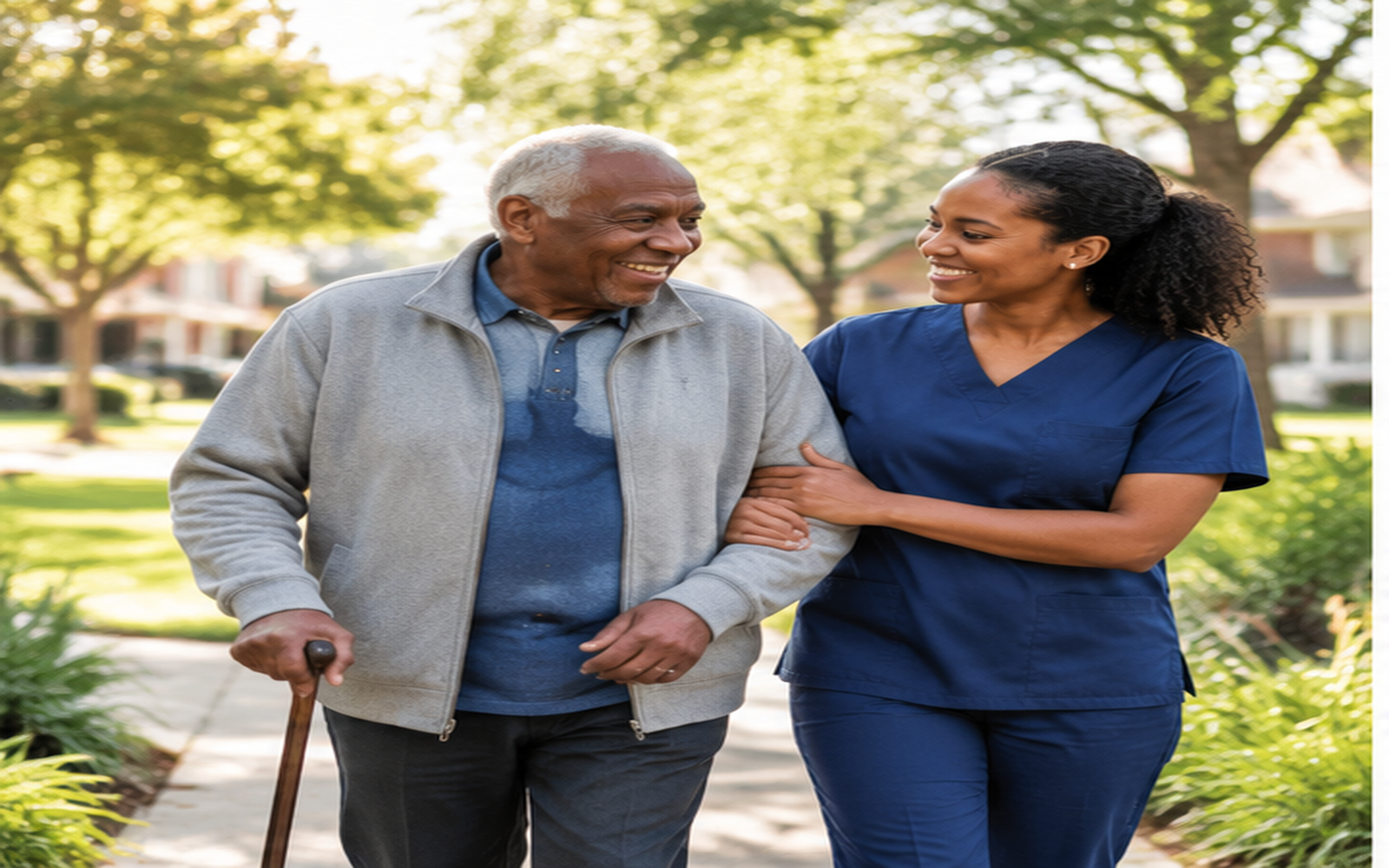
Not every person who needs help at home needs a nurse. Skilled nursing becomes relevant when the care required involves clinical assessment, professional nursing judgment, or another nursing service that must be performed by an appropriately licensed professional.
That distinction matters because skilled nursing care at home is different from assistance with bathing, dressing, companionship, meals, housekeeping, or other everyday activities.
The two types of support can sometimes be part of the same overall care arrangement, but they should not be treated as interchangeable.
What does skilled nursing care at home mean?
Skilled nursing care at home refers to nursing services provided in the person’s residence by a professional who is appropriately licensed to perform those services.
Under Georgia’s Private Home Care Provider rules, nursing services are provided by a licensed registered professional nurse or licensed practical nurse and must follow applicable nursing scope-of-practice requirements and the client’s service plan.
Nursing responsibilities may include assessing nursing needs, participating in the development and implementation of a service plan, providing nursing services required by that plan, and reporting relevant problems or progress.
What services may skilled nursing include?
The exact services depend on the person’s condition, orders, nursing assessment, provider, and care plan.
Examples of skilled nursing services in home-health settings can include:
- Assessment and monitoring of relevant health conditions.
- Wound care when clinically indicated.
- Injections or other ordered nursing treatments.
- Certain intravenous or nutrition therapies.
- Education for the patient and family about care needs.
- Monitoring a serious illness or unstable health status.
- Communicating significant findings to appropriate healthcare professionals.
A service appearing on a general list does not mean every client needs it. Skilled nursing services should be based on the person’s actual clinical needs and appropriate care plan.
Who may need skilled nursing care at home?
Skilled nursing may be considered when a person has a healthcare need that requires nursing knowledge or a licensed professional rather than routine non-clinical assistance.
Situations can include:
- Recovery after a hospitalization or procedure when nursing follow-up is required.
- Wounds that require skilled assessment or treatment.
- A serious or changing health condition requiring nursing monitoring.
- Ordered injections or other nursing treatments.
- A need for nursing education for the client or family.
- Changes in health that require ongoing professional assessment under the care plan.
Skilled nursing is different from personal care
Personal care focuses primarily on everyday activities such as bathing, grooming, dressing, toileting, eating, mobility, and other routine personal needs.
Those needs are important, but they are not automatically nursing needs.
Skilled nursing involves services that fall within professional nursing responsibilities and should therefore be performed by an appropriately licensed nurse.
Families looking mainly for help with personal routines can explore Personal Care Assistance .
When clinical nursing support is needed, learn more about AtoZ Care Partners’ Skilled Nursing .
Can skilled nursing and personal care be used together?
Yes. A person’s clinical needs and everyday living needs can exist at the same time.
Someone recovering after a health event may require nursing services for a specific clinical purpose while also needing assistance with bathing, dressing, meals, housekeeping, or companionship.
Each person providing care should remain within the responsibilities and qualifications appropriate to their role.
What are the potential benefits of receiving nursing care at home?
When home-based nursing is clinically appropriate, it can allow certain healthcare needs to be addressed without every service requiring care in a facility.
Depending on the individual situation, advantages may include:
- Receiving appropriate nursing services in a familiar environment.
- Allowing family caregivers to receive education relevant to the care plan.
- Providing professional observation of changes relevant to the nursing plan.
- Supporting coordination with other healthcare professionals where appropriate.
These benefits depend on the person’s needs and do not mean that home nursing is appropriate for every condition or that it replaces hospital or emergency care when those services are required.
Is skilled nursing care at home covered by Medicare?
Medicare has a specific home-health benefit, but families should not assume that every service described as nursing at home automatically qualifies for Medicare coverage.
For Medicare-covered home health, eligibility requirements include needing qualifying part-time or intermittent skilled services, meeting the program’s homebound requirements, having care ordered by an appropriate healthcare provider, and receiving the service through a Medicare-certified home health agency.
Private-pay nursing, Medicaid services, Medicare Advantage, long-term care insurance, and other payment arrangements can follow different rules.
Always confirm coverage directly with the relevant payer and provider.
What should families ask before arranging skilled nursing?
Families should understand both the clinical need and the provider responsible for meeting it.
Useful questions include:
- Which nursing services does the person currently need?
- Who determined that skilled nursing is appropriate?
- What type of licensed professional will provide the care?
- How will the nursing plan be established and reviewed?
- How are changes in condition communicated?
- What should the family do outside scheduled nursing visits?
- What is covered by insurance or another payer?
- Which needs require a different service or level of care?
Choosing skilled nursing support at home
Skilled nursing care at home can be an important option when a person has genuine nursing needs that can appropriately be managed in the home.
The key is matching the service to the clinical requirement, ensuring qualified professionals perform the nursing work, and maintaining a clear plan for communication and changes in the person’s condition.
Learn more about Skilled Nursing from AtoZ Care Partners , review our complete care services , or contact our team to discuss the support you are considering.
More educational guidance is available in our home care resources .