
Light Housekeeping for Seniors: How Support at Home Can Make Daily Life Safer
Keeping up with everyday household tasks can become harder with age, reduced mobility, fatigue, or a change in health. Light housekeeping can help make the home easier to manage while the older adult continues living in familiar surroundings.
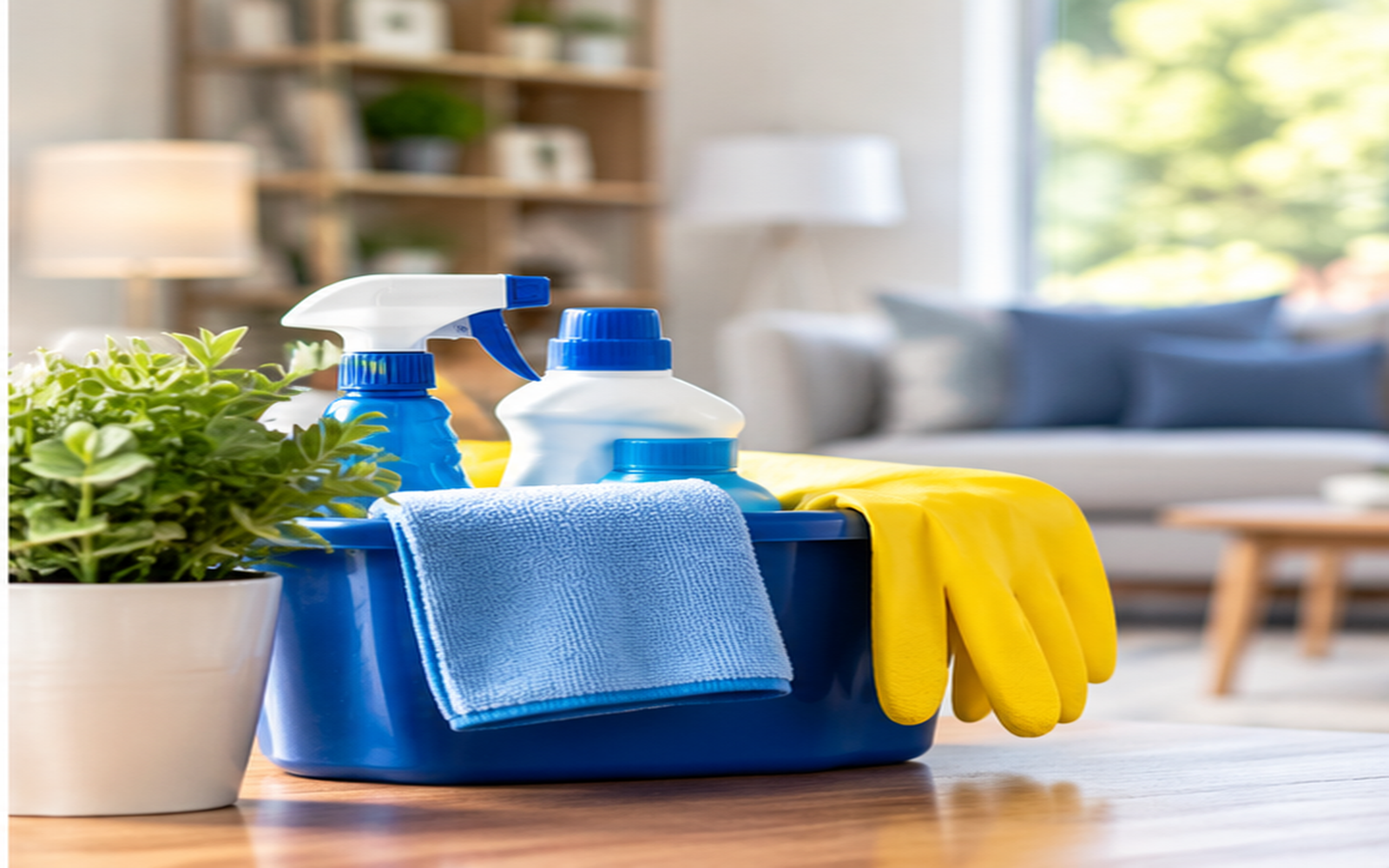
A person can be capable of living independently and still find vacuuming, laundry, dishes, changing linens, or keeping frequently used spaces organized increasingly difficult. Light housekeeping for seniors provides routine household assistance without turning everyday home care into a major cleaning or maintenance service.
This type of support can be particularly useful for older adults who want to age at home but have less energy, strength, balance, or mobility than they once did.
It can also reduce the amount of routine household work being absorbed by family caregivers.
What does light housekeeping for seniors mean?
Light housekeeping generally refers to routine tasks that help maintain the areas of the home used in everyday life.
It is different from a deep-cleaning company, property maintenance service, contractor, or professional home-safety inspection.
Depending on the provider and the agreed care plan, light housekeeping may include tasks such as:
- Washing routine dishes.
- Wiping commonly used surfaces.
- Light sweeping, vacuuming, or mopping.
- Changing bed linens.
- Routine laundry and folding.
- Taking out ordinary household trash.
- Keeping frequently used living areas reasonably organized.
- Helping maintain a comfortable everyday environment.
AtoZ Care Partners provides Housekeeping support according to the individual care plan and services agreed with the client.
Why can household tasks become harder with age?
Housekeeping requires more physical effort than it often appears to.
Bending to reach a low shelf, carrying laundry, standing at a sink, moving around with cleaning equipment, or repeatedly getting up and down may become difficult when someone has reduced strength, joint pain, limited endurance, impaired mobility, or balance concerns.
A task that was once completed without much thought can begin taking substantially more effort.
The answer does not always need to be taking over the entire household. Sometimes assistance with a few recurring tasks is enough to make day-to-day life more manageable.
A manageable home can support aging in place
Many older adults want to remain in their own homes as they age.
Aging in place can involve thinking not only about healthcare but also about the ordinary tasks required to maintain daily life.
If laundry, cleaning, meals, mobility, transportation, or personal routines become difficult, targeted support may help an older adult continue living in familiar surroundings.
The goal is not necessarily a perfectly maintained home. It is a home that remains functional and manageable for the person living there.
Can light housekeeping make a home safer?
Light housekeeping is not a substitute for a fall-risk assessment, occupational therapy evaluation, repair work, or home modification. However, some routine household conditions are also relevant to everyday safety.
Public health guidance for older adults recommends keeping floors free of clutter and addressing tripping hazards as part of reducing fall risks in the home.
Routine household support can therefore help with ordinary tasks such as keeping commonly used walkways clear of everyday items or promptly addressing minor household messes within the caregiver’s assigned responsibilities.
Falls can involve many factors including strength, balance, medications, vision, footwear, stairs, lighting, rugs, and other environmental hazards. Concerns about falls should be discussed with an appropriate healthcare professional rather than relying on housekeeping alone.
What light housekeeping usually does not include
Families should understand the boundaries of the service before care begins.
Light housekeeping is generally not the same as:
Large-scale seasonal cleaning or intensive whole-house cleaning may require a dedicated cleaning company.
Broken railings, electrical work, plumbing, structural repairs, and similar work require appropriate tradespeople.
Moving furniture, appliances, or other heavy objects may fall outside routine housekeeping responsibilities.
Housekeeping does not replace skilled nursing, therapy, medication management, or another healthcare service.
Housekeeping should be connected to the person’s routine
A useful care plan focuses on the tasks that matter in that particular home.
One client may mainly need help with laundry and linens. Another may manage laundry independently but find dishes and floor care physically demanding.
The household also belongs to the person receiving care. Preferences about where belongings are kept, how routines are handled, and which spaces are private should be respected whenever possible.
Support should make the home easier to live in, not make the person feel as though someone else has taken control of it.
Light housekeeping may complement personal care
Household needs rarely exist in isolation.
An older adult who finds laundry physically difficult may also be having difficulty dressing, bathing, or moving safely through parts of the home.
In that situation, Personal Care Assistance may also be relevant.
Someone who primarily needs company and support with everyday routines may benefit from Companion Care .
Services should be combined because the individual needs them, not simply because they are available.
Watch for changes behind the housekeeping difficulty
A suddenly untidy home can sometimes be more than a cleaning issue.
If someone who previously managed household tasks well begins leaving spoiled food, forgetting appliances, accumulating unusual amounts of clutter, or struggling with basic routines, the change may deserve closer attention.
Possible causes can include reduced mobility, pain, fatigue, vision changes, cognitive changes, depression, illness, or another problem.
A caregiver or housekeeping service should not diagnose the cause. Significant or sudden changes should be discussed with the appropriate healthcare professional.
How families can decide what help is actually needed
Walk through a typical week rather than thinking about the entire house at once.
Ask which tasks are:
- Being completed without difficulty.
- Still possible but physically exhausting.
- Frequently postponed.
- Being handled by relatives instead.
- Creating avoidable clutter or obstacles.
- No longer being completed safely.
That makes it easier to distinguish a genuine support need from a desire for general cleaning.
Keep safety concerns separate from ordinary housekeeping
Some home concerns require more than a caregiver or housekeeper.
Loose stair rails, poor lighting, damaged flooring, missing grab bars, unsafe steps, electrical problems, or significant accessibility barriers may need evaluation or correction by the appropriate professional.
Similarly, repeated falls, new balance problems, dizziness, weakness, or changes in vision should be addressed with a healthcare professional.
Light housekeeping can support a more manageable environment, but it should remain within its proper role.
Small household support can make everyday life easier
Light housekeeping for seniors is often most useful when it focuses on the ordinary chores that have become unnecessarily tiring or difficult.
Assistance with laundry, dishes, linens, routine cleaning, and commonly used spaces can reduce the burden of maintaining a home without taking away the older adult’s control over their environment.
The right support should be based on what the person actually needs, clearly define which tasks are included, and recognize when a concern belongs with a healthcare professional, contractor, or another specialist instead.
Learn more about Housekeeping from AtoZ Care Partners , explore our complete home care services , or contact our team to discuss support at home.
More practical articles are available in our home care resources .